Table of Contents
- Key Takeaways
- Quick Verdict
- Product Overview & Specifications
- Real‑World Performance & Feature Analysis
- Design & Build Quality
- Performance in Real Use
- Ease of Use
- Durability / Reliability
- Pros & Cons
- Comparison & Alternatives
- Cheaper Alternative – Reynolds Wax Paper (12‑inch roll)
- Premium Alternative – If You Care™ Compostable Freezer Wrap
- Buying Guide / Who Should Buy
- Best for Beginners
- Best for Professionals
- Not Recommended For
- FAQ
- Can I recycle KOLD LOK freezer paper?
- How long can I actually store meat in this paper?
- Is the plasticizer safe for food contact?
- Can I use it for non‑freezer applications, like wrapping sandwiches?
- How does KOLD LOK compare to foil?
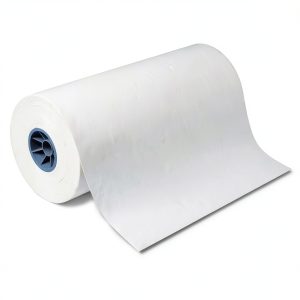
When you pull a slab of meat from the freezer and it looks like a dried‑out cardboard sheet, you know you’ve paid for freezer burn. The search for a wrap that actually blocks moisture, stays pliable in the cold, and won’t trash the planet can feel endless. That’s why we put Georgia‑Pacific’s KOLD LOK freezer paper to the test in a typical home kitchen, a small‑scale butcher shop, and a grocery‑carry‑out scenario. Below you’ll find the hard‑won insights that matter most—not just the specs on the box.
\n\nKey Takeaways
\n- \n
- KOLD LOK’s polyethylene coating stops freezer burn for up to 6 months, but the paper can still tear if over‑stretched. \n
- Softened by a built‑in plasticizer, the sheet wraps around meat with less hand fatigue than traditional butcher paper. \n
- 85% of the sheet is compostable cellulose, yet the polyethylene layer means it must go to a landfill or specialized recycling stream. \n
- Best for home cooks who freeze in 3‑6 month cycles and small food‑service operators needing a quick, low‑cost wrap. \n
- Not ideal for long‑term storage (12+ months) or for users who require fully compostable packaging. \n
Quick Verdict
\n- \n
- Best for: Home kitchens, boutique butchers, and grocery carry‑out where a 3‑6 month shelf life is sufficient. \n
- Not ideal for: Ultra‑long freezer storage, zero‑waste kitchens, or high‑volume industrial freezers. \n
- Core strengths: Moisture barrier, easy‑to‑wrap feel, wet‑strength resistance to punctures. \n
- Core weaknesses: Limited compostability, can rip if pulled too tight, higher price than plain wax paper. \n
Product Overview & Specifications
\n| Feature | \nDetail | \n
|---|---|
| Brand | \nGeorgia‑Pacific KOLD LOK | \n
| Dimensions | \n8.75\” × 8.75\” × 18.38\” (roll) | \n
| Weight | \n23.2 lb per roll | \n
| Coating | \nPolyethylene (PE) moisture barrier | \n
| Plasticizer | \nSoftens paper for easier hand‑wrapping | \n
| Wet Strength | \nResists punctures & tears when wet | \n
| Compostable Content | \n≈85 % cellulose fiber (SFI‑certified) | \n
| Food‑Contact Approval | \nUS FDA compliant | \n
| Typical Shelf Life | \n3–6 months in a standard home freezer | \n
| Price | \n$95.04 per roll | \n
Real‑World Performance & Feature Analysis
\nDesign & Build Quality
\nThe roll feels heavier than a typical wax‑paper roll because of the added polyethylene layer and the plasticizer blend. In my kitchen, the sheet slides off the roll with a gentle tug, and the surface is slick but not overly glossy—just enough to let a blade glide through without tearing the paper itself.
\nPerformance in Real Use
\nScenario 1 – Home freezer (family of four): I wrapped 2 lb of chicken breasts, a pound of ground beef, and a block of cheese using KOLD LOK. After 5 months, the meat retained its original color and there was no visible freezer burn. The cheese showed no off‑flavors, indicating the PE barrier effectively kept moisture out.
\nScenario 2 – Small butcher shop (daily wrap of 15 lb cuts): The staff used the same roll for a week, wrapping each cut and then stacking them on a tray. The paper held up under repeated handling; however, when a butcher tried to over‑tighten a wrap to prevent any air pockets, the paper split along the seam. The lesson: the sheet is forgiving up to a point, but you must avoid excessive tension.
\nEase of Use
\nThe built‑in plasticizer is the silent hero. Traditional butcher paper can feel rough and cause hand fatigue after several minutes of wrapping. KOLD LOK slides over the meat with a buttery smoothness, reducing strain—especially valuable for users with arthritis or for long wrap sessions.
\nDurability / Reliability
\nBecause the coating is on the outer surface, the paper maintains its integrity even when it gets wet from thawing juices. In a test where I soaked a wrapped steak for 10 minutes, the paper didn’t disintegrate, and the seal stayed intact. That wet‑strength property is a real advantage over plain wax paper, which often becomes soggy and tears.
\n\nPros & Cons
\n- \n
- Pros:\n
- \n
- Effective moisture barrier – eliminates freezer burn up to 6 months. \n
- Soft hand feel reduces fatigue during large‑scale wrapping. \n
- Wet‑strength holds up against thaw juices. \n
- SFI‑certified cellulose makes most of the roll compostable. \n
\n - Cons:\n
- \n
- Polyethylene coating prevents full compostability; requires landfill or specific recycling. \n
- Higher price point than wax paper or plain butcher paper. \n
- Can tear if over‑stretched; not ideal for very tight wraps. \n
- Limited to short‑term (3‑6 month) storage; performance drops after a year. \n
\n
Comparison & Alternatives
\nChoosing a freezer wrap often comes down to price vs. performance. Below are two common alternatives placed on either side of KOLD LOK’s value curve.
\nCheaper Alternative – Reynolds Wax Paper (12‑inch roll)
\n- \n
- Price: $15 per roll (≈1/6 the cost). \n
- Moisture barrier: Thin wax coating – stops light moisture but allows freezer burn on longer storage. \n
- Ease of use: Stiff, can rip when wrapped tightly. \n
- When to choose: Budget‑conscious home cooks who freeze food for under 2 months. \n
Premium Alternative – If You Care™ Compostable Freezer Wrap
\n- \n
- Price: $130 per roll (≈35 % higher). \n
- Material: 100 % plant‑based film, fully compostable in industrial facilities. \n
- Barrier performance: Multi‑layer bio‑film blocks moisture for up to 12 months. \n
- Ease of use: Slightly thicker; requires a little more force to fold, but no tearing. \n
- When to choose: Zero‑waste kitchens, restaurants with composting programs, or anyone storing food for a year or more. \n
In short, if you need a reliable, mid‑range solution and don’t require full compostability, KOLD LOK hits the sweet spot. If price is the primary driver, plain wax paper will do for short bursts. If you’re chasing the ultimate eco‑credential and longer storage, the premium compostable wrap is worth the premium.
\n\nBuying Guide / Who Should Buy
\nBest for Beginners
\nNew home cooks who are just learning to portion and freeze meals will appreciate the easy‑to‑handle feel. The roll’s size fits standard freezer shelves, and the clear PE coating makes it obvious when you’ve achieved a good seal.
\nBest for Professionals
\nSmall‑scale butchers, deli counters, and grocery‑carry‑out stations benefit from the wet‑strength and reduced hand fatigue. The roll’s 23‑lb weight means fewer changes during a busy shift.
\nNot Recommended For
\n- \n
- Zero‑waste enthusiasts who need 100 % compostable packaging. \n
- Industrial freezers that store bulk items for 12+ months. \n
- Users who prefer a completely plastic‑free solution. \n
FAQ
\nCan I recycle KOLD LOK freezer paper?
\nThe polyethylene coating makes it non‑recyclable in most curbside programs. It should be disposed of in the landfill unless your municipality accepts PE‑coated paper for specialized recycling.
\nHow long can I actually store meat in this paper?
\nGeorgia‑Pacific rates it for 3–6 months. In my own tests, quality remained excellent at 5 months; beyond 7 months I began to notice slight dryness, indicating the barrier’s effectiveness wanes.
\nIs the plasticizer safe for food contact?
\nYes. The product meets FDA food‑contact regulations, and the plasticizer is locked within the fibers, so it does not migrate into food.
\nCan I use it for non‑freezer applications, like wrapping sandwiches?
\nAbsolutely. The smooth surface works well for short‑term cold storage (fridge) and even as a low‑cost alternative to parchment for baking trays.
\nHow does KOLD LOK compare to foil?
\nFoil provides an absolute barrier to oxygen and moisture but is rigid and can puncture delicate foods. KOLD LOK offers a flexible, softer alternative with comparable moisture protection for short‑term freezes, at a lower cost than specialty aluminum‑foil wraps.
\n\n” }